

Why Do We Keep Having the Same Argument? How Couples Therapy Can Help
It starts with something that seems relatively small.
Maybe it's the dishes, money, parenting, intimacy, schedules, or something one of you said. Before long, though, you're having the same argument you've had countless times before.
One person gets frustrated. The other becomes defensive. Someone shuts down. Someone pushes harder to be heard. Eventually, the argument ends—but nothing really feels resolved.
If this sounds familiar, it doesn't necessarily mean something is wrong with your relationship. You may simply be stuck in a communication pattern that's difficult to change on your own.
Why Do Couples Keep Having the Same Arguments?
Recurring arguments are often about more than the issue being discussed.
Imagine an argument about household responsibilities.
On the surface, it's about dishes or laundry. Underneath, one person may be thinking:
“I don't feel appreciated.”
The other may be thinking:
“Nothing I do is ever good enough.”
Suddenly, you're no longer arguing about dishes.
Both people are responding to what the conversation means to them—not just what is actually being said.
When the Pattern Becomes the Problem
Couples can gradually develop predictable ways of responding to each other.
One person criticizes. The other becomes defensive.
One wants to talk immediately. The other shuts down.
The first person feels ignored and pushes harder. The second feels overwhelmed and withdraws even more.
Neither partner may intend for this to happen. But once the cycle begins, it can be surprisingly difficult to stop.
Eventually, the pattern itself can become a bigger problem than whatever started the argument.
Why Doesn't “Better Communication” Fix It?
Couples are often told they simply need to communicate better.
Unfortunately, that's easier said than done when you're angry, hurt, frustrated, or feeling rejected.
Healthy communication involves more than choosing the right words. It can mean learning how to express a need without attacking, listen without immediately becoming defensive, recognize when emotions are escalating, and understand what your partner is actually trying to communicate.
Those are skills—and skills can be learned.
How Can Couples Therapy Help?
Couples therapy isn't about deciding who's right and who's wrong.
Instead, counseling can help both partners step outside the argument and recognize the pattern they're creating together.
Rather than asking:
“Who started this?”
therapy can help couples begin asking:
“What keeps happening between us?”
Couples counseling can help with:
Recurring arguments
Communication difficulties
Feeling unheard or misunderstood
Emotional distance
Resentment
Differences in expectations
Problem-solving
Rebuilding connection
The goal isn't to eliminate disagreements. Healthy couples disagree, too.
The goal is to learn how to handle those disagreements without repeatedly damaging your connection.
Do We Have to Be in Crisis?
No.
Couples therapy isn't only for relationships that are falling apart.
Some couples seek counseling because conflict has become intense. Others simply notice that they're communicating less, feeling disconnected, or having the same problems over and over.
You don't have to wait until you're wondering whether your relationship can survive.
Sometimes it's enough to realize:
“We love each other, but what we're doing right now isn't working.”
Couples Counseling in Ithaca, NY
Changing long-standing relationship patterns takes time, awareness, and practice. Sometimes having another person help you slow down the conversation can make it easier to understand what's actually happening between you.
Tompkins Community Counseling provides couples counseling in Ithaca and telehealth services throughout New York State.
If you and your partner keep getting stuck in the same conversations, counseling can provide a space to understand the pattern, communicate differently, and begin reconnecting.
Contact Tompkins Community Counseling to learn more about couples counseling or schedule an appointment.
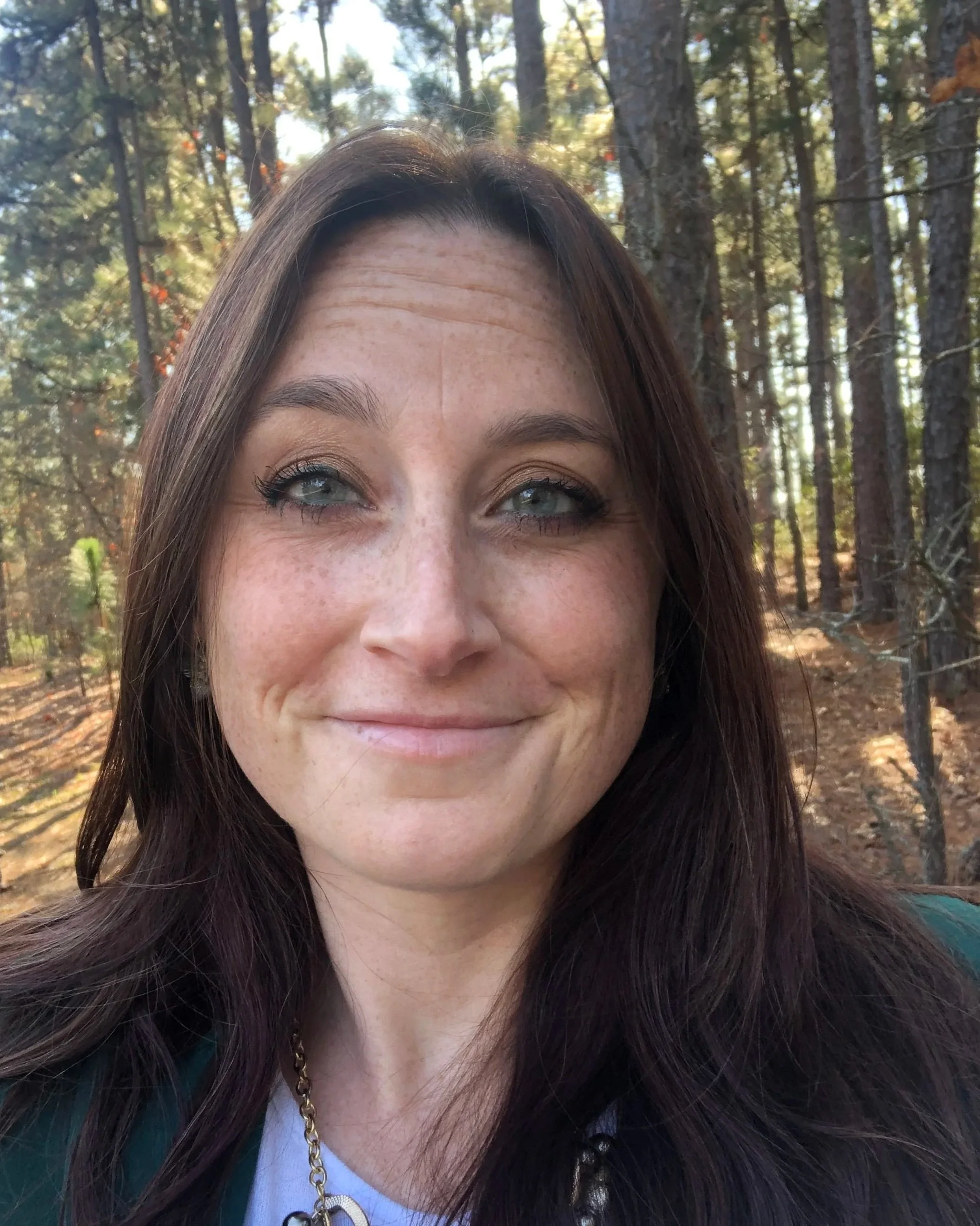
Jaime Johnson Fitzpatrick LMHC-D, LCMHCS, LCAS, C-DBT is the Clinical Program Director of Tompkins Community Counseling. She is a Licensed Mental Health Counselor with Diagnostic Privilege in the State of New York as well as a Licensed Clinical Mental Health Counselor and Licensed Clinical Addictions Specialist in the State of North Carolina. Jaime is also certified in Dialectical Behavioral Therapy (DBT) and utilizes various other approaches in her practice.